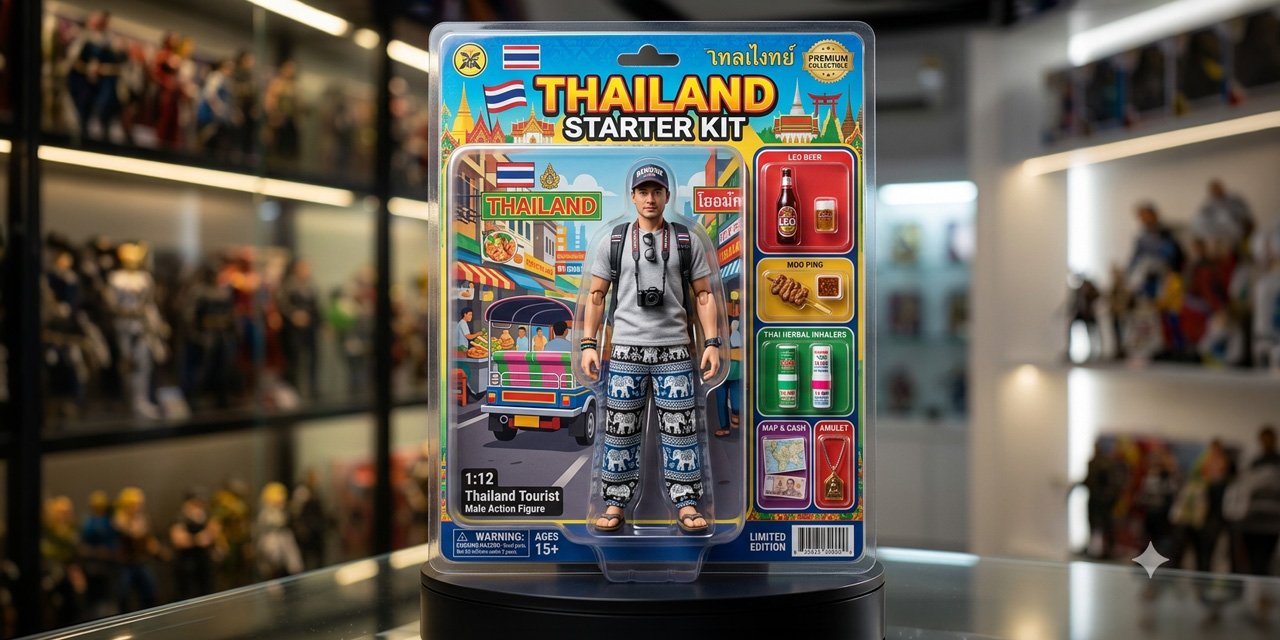
Bangkok Starter Kit: The Essential Guide for First-Time Visitors
Bangkok can feel intense on a first visit, but that is exactly what makes it unforgettable. This starter kit gives first-time visitors the essentials: where to stay, how to get around, which tourist hotspots are worth your time, where to find great hotels, and a few insider tips that will help you experience the city with far less stress and much more fun.
Bangkok at a Glance: What First-Timers Should Know
Bangkok is a huge, fast-moving city, but it is much easier to navigate than many first-time visitors expect. The key is to understand its rhythm: mornings are best for temples and sightseeing, afternoons are ideal for malls, museums, or a hotel break, and evenings are when rooftop bars, night markets, and Chinatown come alive. Stay near a BTS or MRT station, expect heat and traffic, and do not try to see everything in one trip. Bangkok is at its best when you explore it by neighborhood, mix the famous landmarks with a few local finds, and leave room for spontaneous food stops along the way.
Best Time to Visit Bangkok
For most first-time visitors, the best time to visit Bangkok is from November to February, when the weather is a little cooler, noticeably less humid, and generally better for sightseeing. March to May is much hotter, while May to October is the rainy season, with frequent but often short downpours that can still leave plenty of time for exploring. One detail many guides skip is air quality: parts of January and February can bring higher PM2.5 levels, so if you care about long outdoor days, it is worth checking current conditions before your trip. In practice, November, December, and early March often give first-timers the best balance of comfort, energy, and flexibility.
How Many Days Do You Need in Bangkok?
For a first trip, three full days in Bangkok is the sweet spot. That gives you enough time to see the major highlights like the Grand Palace, Wat Pho, Wat Arun, and Chinatown, while still leaving room for a rooftop bar, a market, a good hotel breakfast, and a bit of unplanned wandering. Two days can work if Bangkok is just one stop on a larger Thailand trip, but it will feel rushed. Four to five days is even better if you want to explore different neighborhoods, enjoy the city at a slower pace, and mix famous sights with more local experiences.
Where to Stay in Bangkok for First-Time Visitors
For most first-time visitors, Sukhumvit is still the smartest base, especially if you stay near the BTS around Asok, Nana, or Phrom Phong. It gives you the easiest mix of transport, restaurants, hotels, shopping, and nightlife without making the city feel difficult. If you want something more central and polished, Siam is an excellent choice, while Silom and Sathorn are better for travelers who prefer a calmer, more grown-up base with good dining and easy access to both the river and the business districts. The riverside is the most atmospheric option and ideal if hotel views and a memorable setting matter more than being right on the train network. Old Town and Chinatown are exciting for culture, temples, and street food, but they make more sense for travelers who value character over convenience. One honest tip: unless you specifically want the backpacker scene, Khao San is usually not the best place to stay on a first Bangkok trip. The real rule is simple: pick your hotel by BTS or MRT access and neighborhood vibe, not just by price.
A Few Special Hotels in Bangkok Worth Knowing
If you want a truly memorable stay in Bangkok, a few hotels stand out immediately. Mandarin Oriental Bangkok is the city’s grand old classic, famous for its riverfront setting, polished service, and timeless atmosphere. Capella Bangkok feels more modern and exclusive, with some of the most impressive river views in the city. The Siam Hotel is a beautiful choice for travelers who want something more intimate, design-driven, and peaceful. For visitors who want luxury in the most convenient central location, Siam Kempinski Bangkok is hard to beat.
How to Get Around Bangkok Without Losing Your Mind
Bangkok is much easier to handle once you stop relying on road traffic for everything. For most first-time visitors, the smartest approach is to use the BTS Skytrain and MRT as your main transport, then switch to Grab or a metered taxi for the final stretch. If you arrive with light luggage and stay near a station, the airport train can save a lot of time, but for a direct door-to-door transfer a taxi or Grab is usually easier after a long flight. River boats and short ferries are also worth using, especially when you plan to visit temple areas or combine sights like Bangkok’s temple highlights with Chinatown. Tuk-tuks are fun once, but they are not the best daily transport strategy. The golden rule is simple: stay near a BTS or MRT station, use rail whenever possible, and treat road transport as backup rather than your default.
Bangkok Tourist Hotspots That Are Actually Worth It
Yes, Bangkok’s big landmarks are worth seeing, and places like the top tourist attractions should absolutely be part of a first visit. But the real magic of Bangkok is not just ticking off Wat Pho or Wat Arun. It is walking through the city, even when it is hot, and letting whole neighborhoods reveal themselves block by block. After the famous sights, spend time around Song Wat and Talad Noi for old Bangkok, river atmosphere, and hidden cafés, explore Soi Nana for one of the city’s most interesting bar-and-creative scenes, head to Banthat Thong for one of Bangkok’s most exciting food streets, and visit Ari if you want a calmer, more local, more livable side of the city. That is the Bangkok many first-time tourists remember most.
What to Eat, Where to Go at Night, and What to Book Ahead
Bangkok is one of the easiest cities in the world for eating and going out well, but the best experience comes from choosing the right area for the right mood. For food, mix casual local meals with a few standout stops from Gurulist’s guides to street food heroes, food courts, and Banthat Thong, one of the city’s most exciting food streets. At night, do not limit yourself to bars and rooftops. Spend at least one evening exploring Bangkok’s night markets or walking through Chinatown, where food, people-watching, and the city’s energy all come together. If you want nightlife, Soi 11 near Nana BTS is a strong first choice if you want an easy, lively, international area, while Soi Nana in Chinatown is better if you prefer a more atmospheric cocktail scene with bars that have earned serious regional recognition. For something more polished and local, explore Thonglor and Ekkamai, where Bangkok’s upscale bar, dining, and late-night scene feels more stylish than chaotic. A rooftop is still almost mandatory on a first trip, so check Gurulist’s rooftop bars for first-time visitors. As for booking ahead, reserve sunset rooftops, popular cocktail bars, and top fine dining restaurants, but keep street food, food courts, markets, and casual neighborhood eating flexible. Soi Cowboy is famous and visually memorable, but it is more of a curiosity stop than an essential night out for most first-time visitors.
Where to Get a Proper Thai Massage or Spa Experience
Massage is one of the classic Bangkok experiences, and for many first-time visitors it should absolutely be part of the trip. The easiest way to get the experience most travelers actually want is to choose a professional Thai massage shop or a hotel spa with clear pricing, a proper reception, and a strong reputation. Start with Gurulist’s guides to the best Thai massage places and luxury hotel massage and spa experiences. If you want something especially iconic, the Wat Pho Massage School is one of the best-known names in the city. A simple rule helps: if a place looks professional, lists treatments clearly, and feels focused on wellness, it is probably what you are looking for. If the branding feels sexualized, the pricing is vague, or someone is trying to pull you in from the street, it is probably not the experience most first-time visitors want.
Safety, Scams, Etiquette, and Common Mistakes
Bangkok is generally easy and enjoyable for first-time visitors, but a few simple habits make a big difference. The most common mistakes are trusting random street advice, underestimating the heat, and trying to do too much in one day. If someone tells you a major sight is closed and offers a “special” tour, walk away. Use Grab or insist that taxis use the meter, and always check menu or drink prices before ordering in nightlife areas. For temples, dress respectfully, cover shoulders and knees, and remove your shoes when required. It also helps to stay polite and calm, carry water, and plan a midday break instead of sightseeing straight through the hottest hours. A few basic Thai phrases go a long way, and if you need practical backup, Bangkok has excellent private hospitals and tourist support services.
Essential Bangkok Travel Tips
A few small details can make your first Bangkok trip much easier. Stay near a BTS or MRT station, carry a little cash even though cards are accepted in many places, and do not build your day around walking long distances in the midday heat. Start sightseeing early, slow down in the afternoon, and save rooftops, markets, and neighborhood walks for the evening. Convenience stores like 7-Eleven are genuinely useful for water, snacks, SIM top-ups, and quick basics, while shopping malls and food courts are often perfect for cooling off without wasting time. If you want a smoother experience, learn a few Thai travel phrases, wear light clothes, and keep your plans flexible enough to follow good food, a nice café, or an interesting street when Bangkok surprises you.
See you on the List
A Simple 3-Day Bangkok Plan for First-Timers
If you have three full days in Bangkok, this is a simple plan that gives you the city’s most important sights without turning the trip into a checklist marathon.
Day 1: The Classic Bangkok Day
Start with Bangkok’s most famous landmarks and use the morning for the historic core, when the heat is still manageable. Begin with Gurulist’s temple walking tour or go straight to the Grand Palace, Wat Pho, and Wat Arun. Slow down in the afternoon, then spend the evening in Chinatown for street food, atmosphere, and your first real taste of Bangkok after dark.
Day 2: Siam, Sukhumvit, and Bangkok After Dark
Use your second day for the side of Bangkok that explains why people enjoy living here, not just visiting it. Start around Siam and Chit Lom, where some of the city’s best shopping malls are clustered together and even non-shoppers will appreciate the air-conditioning, food, and easy walking connections. Have lunch in a proper food court, slow down in the afternoon with a walk in one of Bangkok’s parks or a break at a good Thai massage place, and then save your energy for the evening. Start with sunset at one of Gurulist’s rooftop bars for first-time visitors, then choose your nightlife style: lively around Soi 11 or more polished in Thonglor and Ekkamai. This day works best when you stop trying to “sightsee” and start enjoying Bangkok the way the city is actually lived.
Day 3: The Side of Bangkok Most Tourists Miss
Save your third day for the more walkable, character-filled side of Bangkok. Explore Talad Noi, spend time around Song Wat, or head to Ari if you want a calmer and more local feel. If food is your priority, build the evening around Banthat Thong or one of Bangkok’s night markets. This final day is where Bangkok usually starts to feel less like a destination and more like a city you actually understand.
FAQ About Visiting Bangkok for the First Time
Is Bangkok safe for first-time visitors?
Yes, Bangkok is generally safe for first-time visitors, especially if you use normal big-city common sense. The most common problems are not violent crime but tourist scams, overpriced tuk-tuk rides, and nightlife venues with unclear pricing. Use Grab or metered taxis, stay aware of your surroundings, and be cautious if strangers approach you with unsolicited advice.
What is the best area to stay in Bangkok for first-timers?
For most first-time visitors, Sukhumvit is the easiest area because it has great BTS access, plenty of restaurants, many hotels, and convenient connections to shopping and nightlife. Siam is also a strong choice if you want to stay central, while the riverside is perfect if atmosphere and views matter more than being right on the train network.
How many days should I spend in Bangkok?
Three full days is ideal for a first visit. That gives you enough time for the main landmarks, some good food, a rooftop or night market, and at least one neighborhood that feels more local and less touristy. Two days can work, but it will feel rushed.
What is the best way to get around Bangkok?
The easiest way to get around Bangkok is to use the BTS Skytrain and MRT as your main transport, then use Grab or a metered taxi for the last part of the journey. River boats are also very useful around the old city and temple areas. Staying near a BTS or MRT station makes a huge difference.
Do I need cash in Bangkok?
Yes, it is smart to carry some cash in Bangkok even though many hotels, malls, restaurants, and upscale bars accept cards. Cash is still useful for markets, street food, small cafés, local transport, and small everyday purchases.
What should I wear when visiting temples in Bangkok?
Dress respectfully when visiting temples in Bangkok. Your shoulders and knees should be covered, and you will need to remove your shoes before entering certain temple buildings. Light, breathable clothing works best in the heat, but avoid overly revealing outfits for religious sites.
P.S. “Bangkok” is what most foreign visitors say, but locals usually call the city Krung Thep or Krung Thep Maha Nakhon. Its full ceremonial name is famously one of the longest place names in the world: Krung Thep Maha Nakhon Amon Rattanakosin Mahinthara Ayutthaya Mahadilok Phop Noppharat Ratchathani Burirom Udomratchaniwet Mahasathan Amon Phiman Awatan Sathit Sakkathattiya Witsanukam Prasit.